

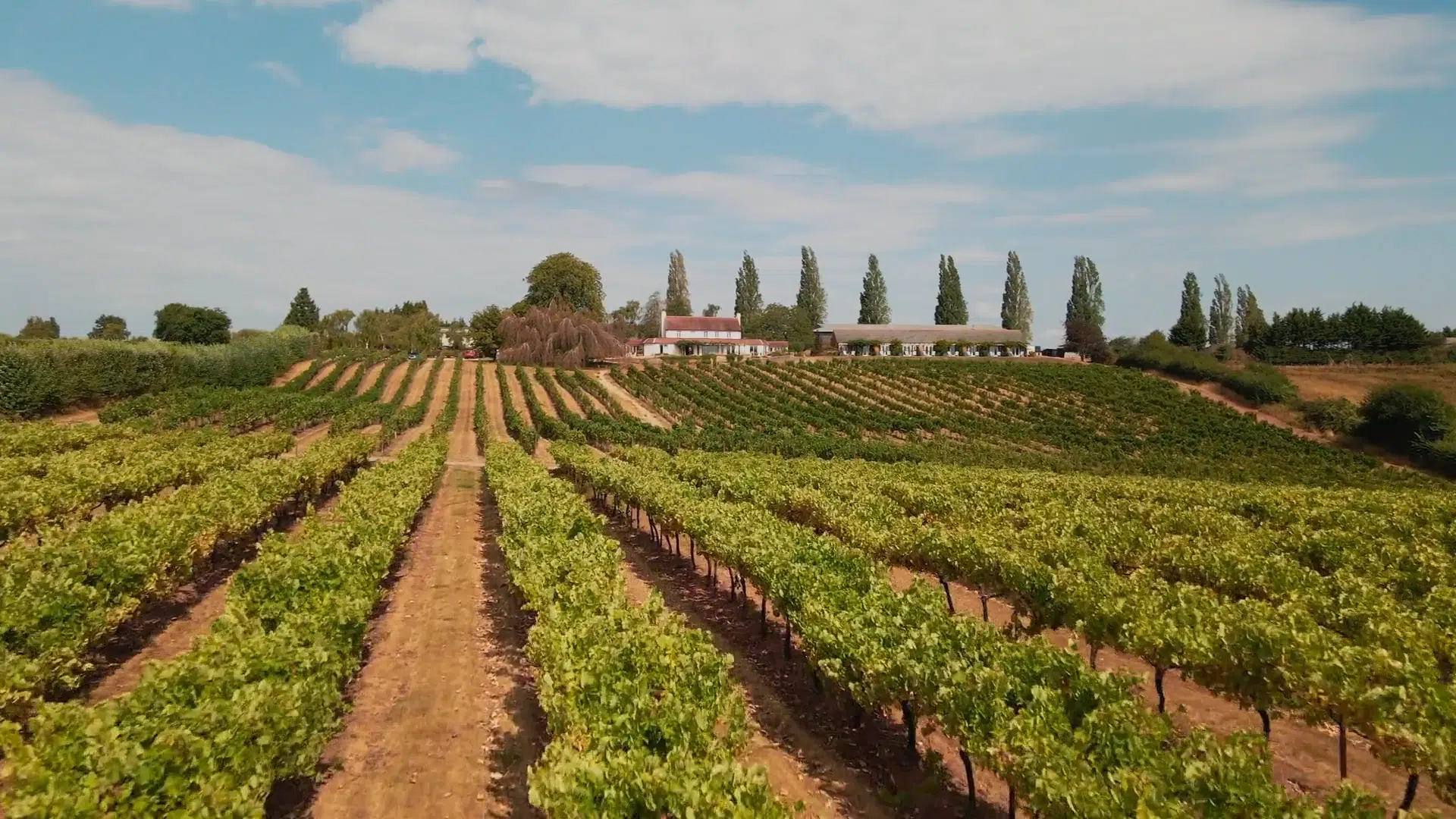
English & Welsh Wine is comparatively young to Champagne, but does the continued growth offer an opportunity for the sector to build its own identity?
Wine production in England and Wales increased by around 88% between 2020 and the 2025 harvest, from 8.8 million to 16.5 million bottles, based on WineGB and Wine Standards data. With temperatures rising year on year, there’s no suggestion the sector will decline. English & Welsh wine is having a moment, and maybe now is the time to embrace an identity away from European wines that can help consumers make a choice.
The Champagne Bottle
The classic sparkling wine bottle was developed to withstand the pressure that is created during the fermentation process. It has strong glass and a familiar silhouette that, over time, became shorthand for celebration and prestige.
The traditional green glass is an easy identifier of Champagne and prosecco and the bottles were an easy choice for English & Welsh vineyards. The packaging is already tried and tested in the market and people immediately understand that the product is a sparkling wine. However, that does mean that there is no differentiation between sparkling wine produced overseas and those produced here in the UK.
Why Packaging Identity Matters
Before taste can be a differentiator, the bottle the wine is housed in can share signals to customers about the quality, heritage and origin of the wine. When you ask someone to picture a champagne bottle, you know exactly what they can see.
English & Welsh wines may share grape varieties and methods with Champagne, but that does not mean the packaging has to look the same. There are different ways of doing this, form bottle shape and labels to the colour of the glass.
The Sovereign bottle is the first British-made sparkling wine bottle. Launched in 2026, its amber colour offers a striking alternative to the traditional green associated with champagne. This small change to the colour of the glass offers the chance to share a different message when customers see English & Welsh wine on the shelf. It communicates British production, a sense of elegance and clearly identifies the wine as made in the UK.
British-made packaging not only can reduce transport miles, but it also adds to the provenance story of English & Welsh wine. It brings a clear identifier to consumers that the wine produced inside is high-quality English & Welsh wine.
What Next?
Could amber bottles become a recognisable identifier for English & Welsh wine, or does it offer producers an opportunity to stand out within the market? Although they are competitors within the space, winemakers in England & Wales can shape the narrative around their wines to help continue the growth of the sector. The wine already competes on taste, but having its own identity in the market, potentially through distinct packaging, could help create a clear difference to help consumers choose local.
The Sovereign bottle is a great starting point for the sector and an opportunity to begin the conversation, but if the English & Welsh Wine sector wants to have its own identity then the conversation needs to turn away from how it can be more like champagne to how it can stand out against it.
You can hear more about the Sovereign bottle and the thoughts of WineGB in our latest film here.